About Hamdaniya District
Al-Hamdaniya District is one of the most important districts in Nineveh Governorate. It is located in the eastern part of the governorate within the Nineveh Plains region, approximately 32 kilometers southeast of the city of Mosul. The district is distinguished by its strategic location and its historical, cultural, and social significance, making it one of Iraqs most prominent areas in terms of religious and ethnic diversity and rich cultural heritage.
The city of Qaraqosh (Baghdida or Bakhdida) serves as the administrative center and largest city of Al-Hamdaniya District. It is one of the largest Christian communities in Iraq and is renowned for its rich Syriac heritage, historic churches, and monasteries. The district also includes several important towns, sub-districts, and villages that have contributed to shaping its unique historical and cultural identity.
The Al-Hamdaniya region has been inhabited since ancient times and has witnessed the succession of numerous civilizations, each leaving behind valuable archaeological sites and historical landmarks throughout the district. As a result, it forms an integral part of Mesopotamiaus rich cultural and historical legacy. The district is also characterized by its fertile agricultural lands, which have supported thriving farming activities. It is well known for the cultivation of wheat, barley, and various vegetables, while also serving as a commercial and service hub for surrounding areas.
Al-Hamdaniya District is a remarkable example of diversity and peaceful coexistence. It is home to various religious and ethnic communities, including Christians of different denominations, Shabak, Yazidis, Turkmen, Arabs, and other groups that have lived side by side and contributed to the districts diverse social fabric and identity.
In 2014, the district suffered from attacks by the terrorist organization ISIS, which caused extensive damage to infrastructure and both public and private property. However, following its liberation in 2016, significant efforts were undertaken to rebuild infrastructure, restore public services, and facilitate the return of residents to their homes. As a result, Al-Hamdaniya has gradually regained its position as an important cultural and social center within Nineveh Governorate.
Geographic Location
Al-Hamdaniya District is located in the Nineveh Governorate in northern Iraq, approximately 32 km southeast of the city of Mosul and 60 km west of the city of Erbil. It lies on the eastern bank of the Tigris River, which, together with the Khazir River, forms the southern boundary of the Nineveh Plains.
The district is situated near the ancient archaeological cities of Nineveh and Nimrud, giving it significant historical and strategic importance.
Geographic Boundaries
North: Bashiqa District
East: Erbil Governorate
South: Makhmour District
West: The Tigris River
Towns and Subdistricts
Baghdida (Qaraqosh)
District Center – The Largest Christian Community in Iraq
Bartella
A Historic Syriac Town An Important Administrative Subdistrict
Al-Nimrud
An Ancient Assyrian Archaeological Site One of the Ancient Capitals of the Assyrian Empire.
Bartella - Subdistrict
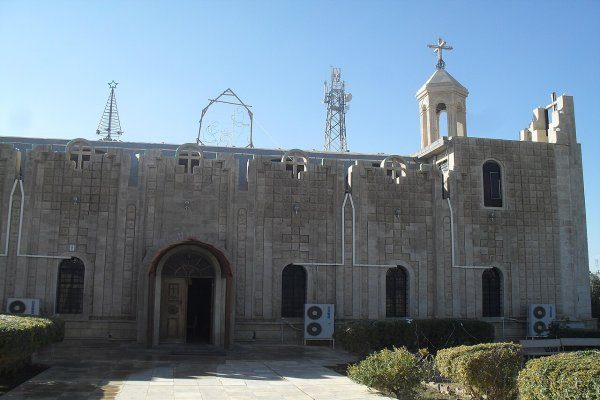
Bartella is one of the principal subdistricts of Al-Hamdaniya District and is located east of Mosul.
The town is renowned for its rich Syriac Christian heritage and its long history as a center of religious and cultural significance in the Nineveh Plains.
Bartella is known for its historic churches, monasteries, and traditional architecture, reflecting the area’s diverse cultural and religious character.
Today, it remains an important administrative, social, and economic center within the district.
Baghdida-District Center
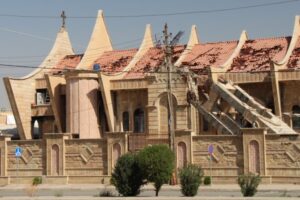
Baghdida, also known as Qaraqosh, is the administrative center and largest town of Al-Hamdaniya District in the Nineveh Plains of northern Iraq.
It is recognized as the largest Christian town in Iraq and has long been a center of Syriac Christian heritage, culture, and religious life.
The town is home to numerous historic churches, monasteries, educational institutions, and cultural organizations.
Baghdida has played a significant role in preserving the Syriac language, traditions, and identity for centuries.
Al-Nimrud - Subdistrict
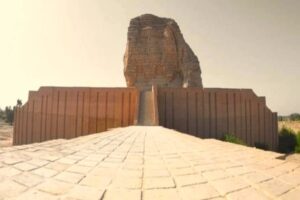
Al-Nimrud Subdistrict is situated in the southern part of Al-Hamdaniya District and is internationally known for the ancient archaeological city of Nimrud.
Founded during the Assyrian Empire, Nimrud served as one of the most important capitals of ancient Assyria and was a major political, cultural, and military center.
The area contains significant archaeological remains, including royal palaces, temples, sculptures, and ancient fortifications.
Al-Nimrud represents a vital part of Iraq 2019 historical and cultural heritage and continues to attract academic and archaeological interest from around the world.
Quick Stats
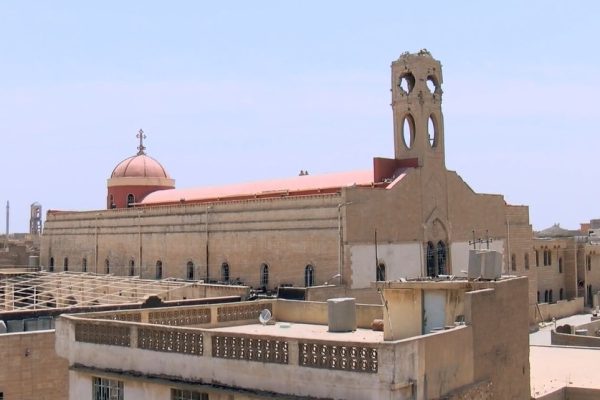
One of the largest and most important Syriac Catholic churches in Iraq, located in Baghdida (Qaraqosh). The church is renowned for its historic architecture, religious significance, and role as a spiritual center for the Christian community of the Nineveh Plains. It has long served as a symbol of faith, resilience, and cultural heritage.
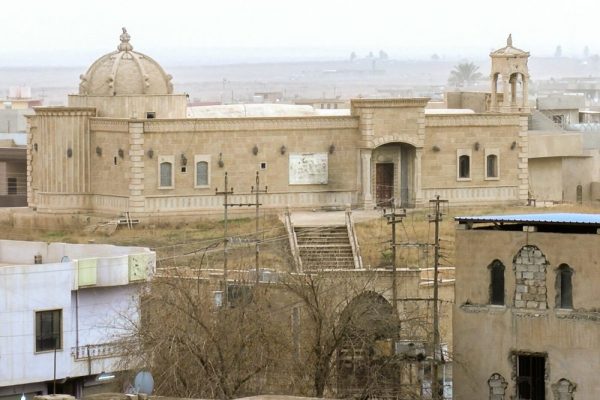
Named after Saint Shmoni and her seven sons, who are honored for their steadfast faith and martyrdom.
The church is one of the notable religious sites in Baghdida and remains an active center for worship, religious celebrations, and community gatherings.
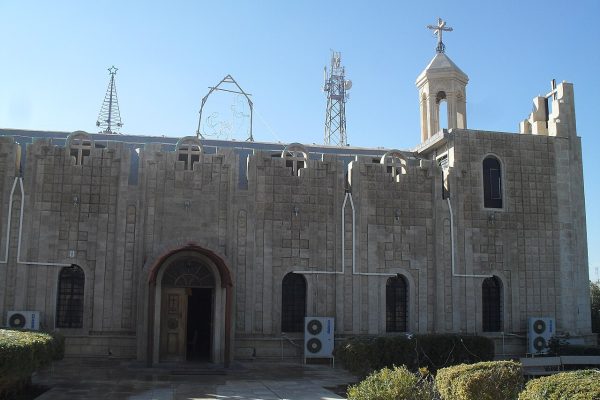
Mar Gorgis Church is one of the most important religious and historical landmarks in Bartella, reflecting the townu 2019 deep-rooted Syriac Christian heritage. The church is dedicated to Saint George (Mar Gorgis), one of the most venerated saints in Eastern Christianity.
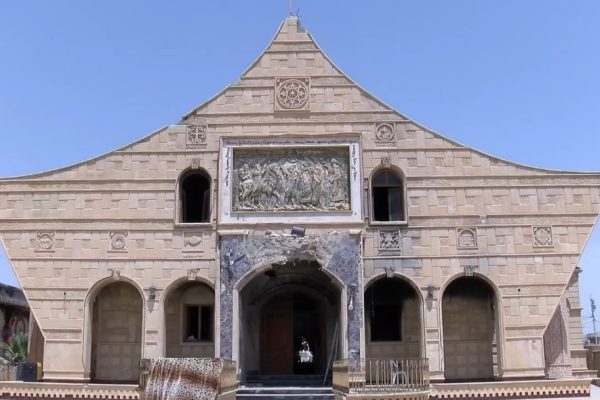
A historic Syriac church dedicated to Saint Behnam, one of the most revered Christian saints in Mesopotamian Christianity.
The church holds significant religious and cultural value and serves as an important place of worship and pilgrimage for local Christians.
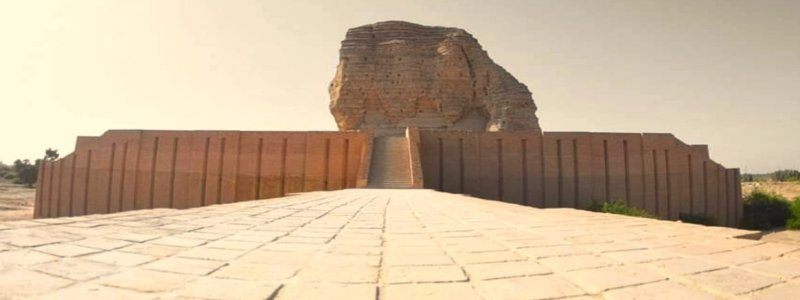
Located in the Al-Nimrud Subdistrict, Nimrud (ancient Kalhu) was one of the principal capitals of the Assyrian Empire. Founded in the 13th century BC and expanded under King Ashurnasirpal II, the city became a major political, cultural, and military center. The site contains remarkable archaeological remains, including royal palaces, temples, monumental sculptures, and ancient fortifications, making it one of Iraq most significant archaeological treasures.
Major Institutions in Al-Hamdaniya
Al-Hamdaniya District is home to several key academic, governmental, healthcare, and educational institutions that play a vital role in serving the local community and supporting the development of the Nineveh Plains region.
 English
  Arabic